


Localized crack and edge work
A chipped corner or isolated defect may suit a targeted patch. Check the surrounding concrete and whether the damaged area is still moving before selecting the material.
A crack does not automatically mean a slab needs to be replaced. Lakeland Elite Concrete reviews damaged driveways, patios and walks across Lakeland and Polk County to separate surface wear from deeper movement. We compare local patching, resurfacing and removal of failed sections, with a clear explanation of what each approach can correct.
Preparation and downtime depend on the repair system. Some cement based resurfacers permit light walking in about 6 hours and cars in 24 hours under suitable conditions, while other products and full depth repairs need longer. A newly poured replacement continues gaining strength over weeks; 28 days is a common strength testing age. We set the protection and reopening instructions for the actual material.
A chipped corner or isolated defect may suit a targeted patch. Check the surrounding concrete and whether the damaged area is still moving before selecting the material.
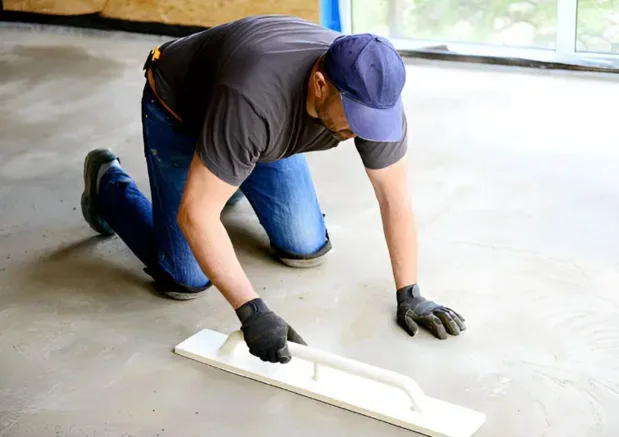
A compatible overlay can renew worn but stable concrete. The old surface needs proper cleaning and preparation so the new layer can bond to sound material.
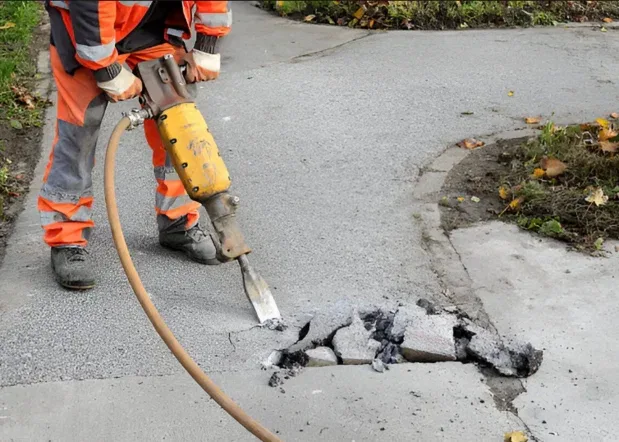
Badly failed panels can be removed and rebuilt while retaining sound areas. Address support and transitions so the replacement does more than change the visible surface.
Around established Lakeland landscaping, roots, settled fill and poor water routes can contribute to recurring defects. Those causes need different responses from shallow wear at the top of a slab. Tell the assessor whether a crack changes or holds water. A structural concern requires the appropriate professional review before cosmetic repairs are chosen.
Confirm the property jurisdiction and full scope before construction. Lakeland describes a permit exemption for qualifying single family work under $7,500, with exclusions including structural work and flood hazard properties. Do not assume a patio, repair or demolition scope is exempt without checking.
Repair can be useful for limited damage where the surrounding concrete remains suitable. Tell the assessor if cracks are changing or panels are moving; those signs can change the appropriate remedy.
Record surface wear, crack movement, level changes and nearby water collection.
Explain what a proposed repair can correct and where its limits remain.
Remove unsuitable material, follow product requirements and agree on aftercare.
Preliminary budget ranges, not a binding estimate. Access, removal, ground correction, drainage, permits and minimum project charges affect the final written quote. Structural work follows the actual design.
The damaged area alone does not tell the full cost. Material removal, cleaning, crack preparation and access can be a large part of the repair. Compare options with their expected appearance and limitations, including the chance of active cracks returning.
View the project pricing guide ↗Repairs can differ in shade from the existing concrete. A resurfacer may create a more consistent texture across a stable slab, but it does not rebuild the ground below. The selected product determines when sealing, walking and vehicle traffic can resume.
Use the Get Free Estimate form on this page. Include your Lakeland or surrounding service area address, approximate dimensions and the work you want reviewed. The request includes this service page so the project scope is clear.
For some cement based resurfacers, the published example is about 6 hours before walking and 24 hours before cars under suitable conditions. Product, thickness and weather can change that; the chosen system's instructions control.
It may be possible if the concrete is stable and suitable for the material. An overlay does not solve a sinking panel or continuing movement beneath the driveway.
A patch can fail again when the slab still moves or the wrong repair system is used. Look for the cause and limits of the proposed repair before applying another finish.
Confirm the work area, preparation, materials, finish, exclusions and return to use instructions. Identify responsibility for any required design, approvals and inspections before work starts.
Tell us about your space and the work you have in mind.